Digital Marketing for Social Media That Boosts Engagement
Strengthen your brand’s online presence with strategic social media marketing that increases engagement, builds customer relationships, and drives meaningful interactions.
Introduction
Social media has become one of the most powerful ways for businesses to connect with their audience. However, simply posting content is not enough. Effective digital marketing for social media requires a clear strategy, consistent engagement, and a deep understanding of audience behavior.
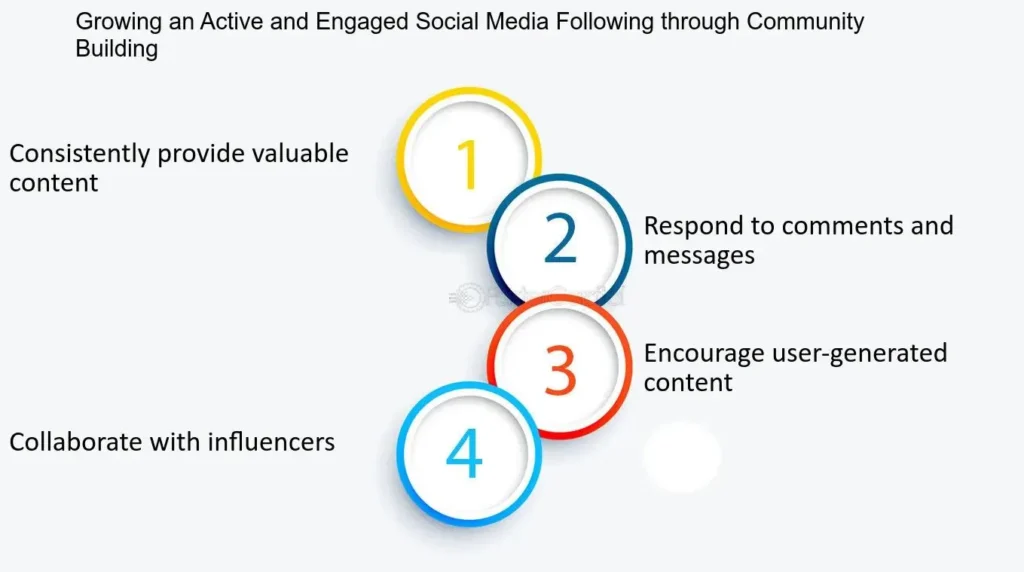
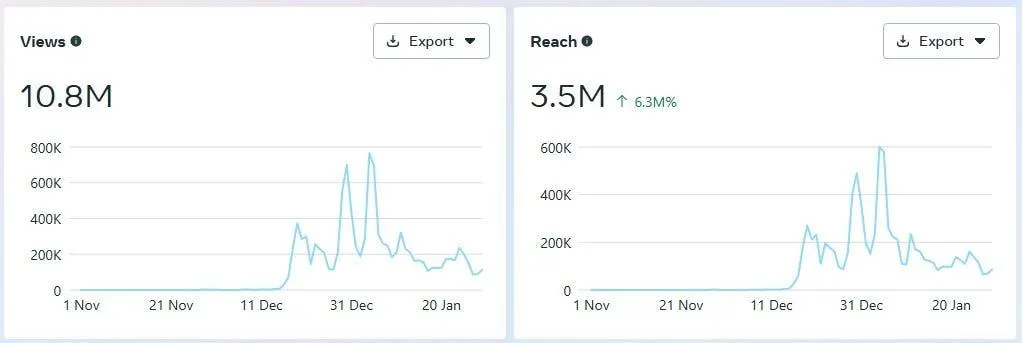
Over the last three years, I have helped brands build their online presence from the ground up. Many businesses that started with limited reach now generate consistent engagement, leads, and sales through strategic social media marketing. The key is creating content that people genuinely want to interact with while supporting broader business goals.
Table of Contents
Why Digital Marketing for Social Media Matters
Understanding Social Media Engagement
Building a Strong Social Media Strategy
The Role of Social Media Advertising Strategy
Content Types That Drive Engagement
Common Social Media Marketing Mistakes
Measuring Social Media Success
Future Trends in Social Media Marketing
FAQs
Conclusion
Call to Action
Why Digital Marketing for Social Media Matters
Social media gives businesses direct access to their audience. Unlike many traditional marketing channels, it allows brands to have conversations with potential customers in real time.
Building Brand Awareness
Consistent social media activity helps businesses stay visible and recognizable.
Creating Meaningful Customer Relationships
Engagement creates trust. Customers are more likely to support brands that respond, educate, and communicate effectively.
Supporting Business Growth
A strong social media presence can contribute to increased website traffic, lead generation, and sales.
Understanding Social Media Engagement
Many businesses focus only on follower counts. In reality, engagement often provides a more accurate measure of success.
What Counts as Engagement
Engagement includes:
Likes
Comments
Shares
Saves
Direct messages
Link clicks
Why Engagement Matters More Than Reach
An engaged audience is more likely to become loyal customers than a large audience that rarely interacts.
Building a Strong Social Media Strategy
A successful social media presence starts with a clear strategy.
Define Your Audience
Understanding customer interests, challenges, and behaviors helps create more relevant content.
Create Consistent Content
Regular posting keeps your brand visible and encourages ongoing engagement.
Focus on Value First
Helpful content often performs better than purely promotional messages.
The Role of Social Media Advertising Strategy
Organic content is important, but paid advertising can accelerate growth.
Reaching the Right Audience
Advertising platforms allow businesses to target specific demographics, interests, and behaviors.
Increasing Brand Visibility
Well managed campaigns help brands appear in front of potential customers consistently.
Supporting Lead Generation
A strong Social Media Advertising Strategy can generate qualified leads while maintaining cost efficiency.
Content Types That Drive Engagement
Not all content performs equally. Some formats naturally encourage more interaction.
Educational Content
Tips, tutorials, and industry insights help audiences learn something useful.
Behind the Scenes Content
Showing the people and processes behind a brand creates authenticity.
Customer Success Stories
Real experiences build trust and demonstrate value.
Interactive Content
Polls, questions, and discussions encourage participation.
Common Social Media Marketing Mistakes
Many businesses struggle because they focus on activity rather than strategy.
Posting Without a Plan
Random content often leads to inconsistent results.
Ignoring Audience Feedback
Comments and messages provide valuable insights into customer needs.
Focusing Only on Selling
People use social media to connect, learn, and engage. Constant sales messages often reduce engagement.
Measuring Social Media Success
Successful social media marketing relies on measurable data.
Key Metrics to Track
Engagement rate
Reach
Website traffic
Lead generation
Conversion rates
Why Experience Expertise Authoritativeness and Trustworthiness Matter
Businesses are more likely to trust advice from professionals with real experience and proven results.
Future Trends in Social Media Marketing
Social media continues to evolve as platforms introduce new features and user behavior changes.
Short Form Video Growth
Video content continues to attract strong engagement across platforms.
Artificial Intelligence Tools
AI assists with content creation, audience insights, and campaign management.
Community Focused Marketing
Brands are investing more in building loyal communities rather than simply increasing follower counts.
FAQs
What is digital marketing for social media?
It involves using social platforms to increase brand awareness, engage audiences, generate leads, and support business growth.
It is a structured approach to running paid campaigns that target specific audiences and support marketing objectives.
How often should businesses post on social media?
Consistency is more important than frequency. Businesses should maintain a realistic posting schedule.
Can social media marketing help small businesses?
Yes. Social media provides cost effective opportunities to reach and engage potential customers.
Conclusion
Digital marketing for social media is about more than gaining followers. It focuses on building relationships, creating valuable interactions, and supporting long term business growth. By combining strategic content, audience engagement, and thoughtful advertising, businesses can strengthen their online presence and achieve meaningful results.
Call to Action
If you are looking to improve your social media performance, start by reviewing your current strategy, understanding your audience, and focusing on content that creates genuine value. Small improvements made consistently can lead to significant long term growth.